A custom kitchen is a long-term investment in how a home works. The right manufacturer should understand the room, daily routines, storage needs and the visual language of the wider interior before production begins.
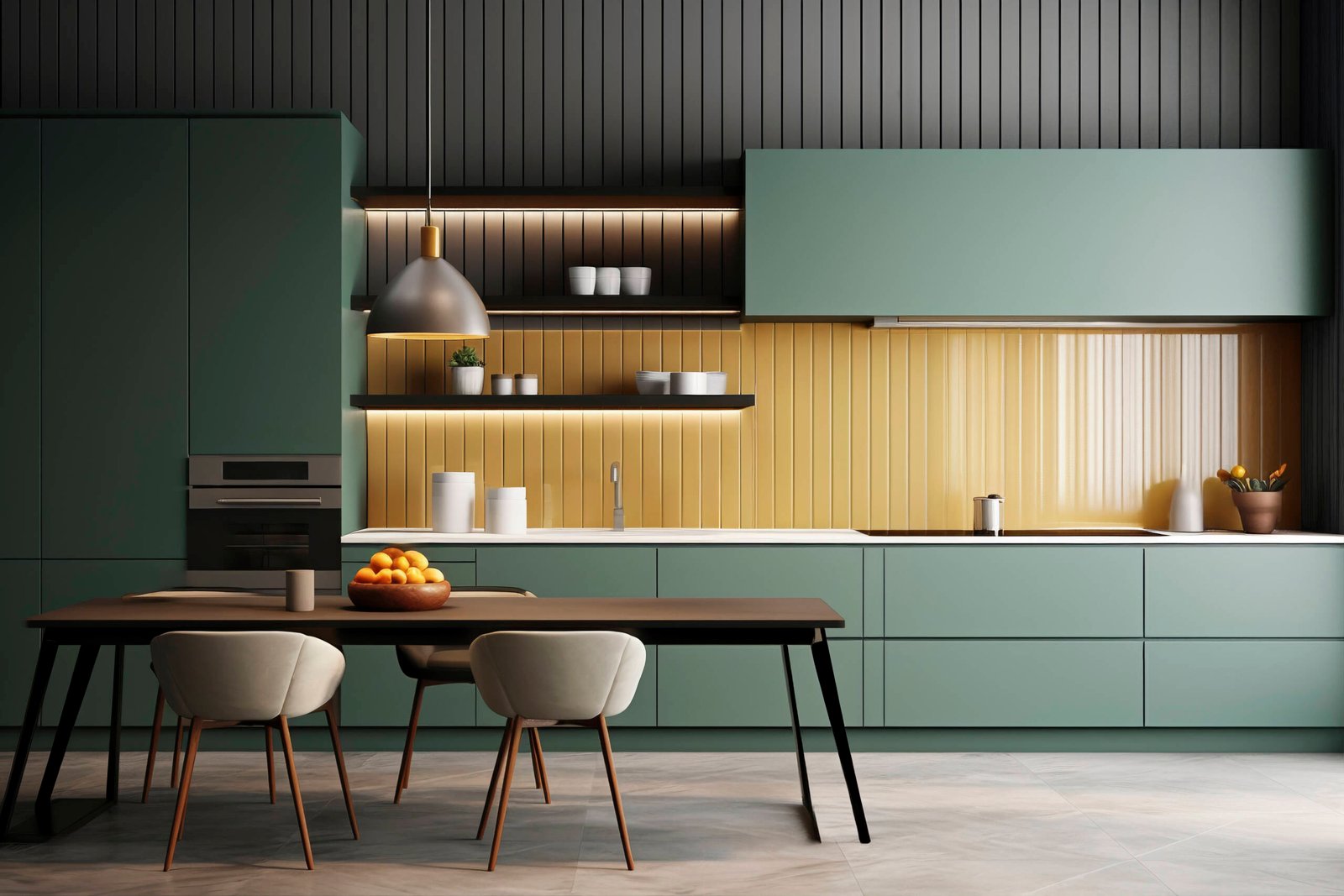
Start with an accurate design brief
A professional survey records walls, services, appliance specifications and circulation clearances. At ECC, the design stage translates these measurements into a coordinated layout, material palette and shop-ready drawings. This reduces improvisation during installation and gives the client a clear basis for approval.
Compare materials by use, not appearance alone
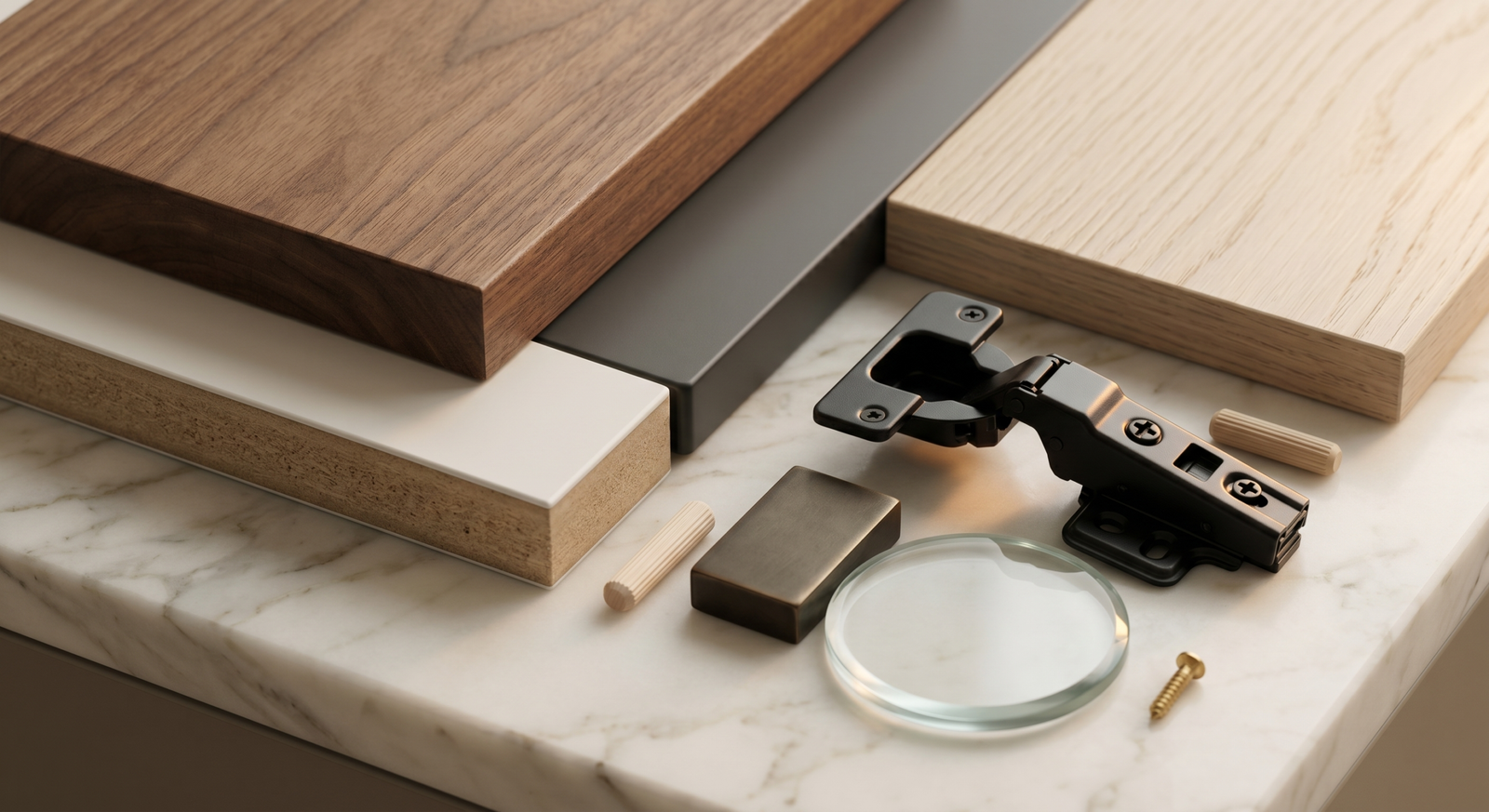
Cabinet bodies, doors, worktops and hardware perform different jobs. Moisture resistance, edge finishing, load capacity, cleanability and repairability should be considered alongside colour and texture. Samples are most useful when viewed in the actual lighting of the project.
Look beyond the showroom
Ask how panels are cut, edged, drilled and inspected. CNC production improves repeatability, but quality also depends on engineering, calibration and experienced assembly. A reliable manufacturer documents approvals and checks components before they leave the factory.
Plan installation as part of manufacturing
Good installation protects the design intent. The team should verify site readiness, coordinate appliances and services, level the units, adjust doors and drawers, and complete a documented handover. ECC manages this path from consultation through production and final fit-out in Riyadh.